Head-to-Head: Tp Link Deco Be23 vs Lg Gram Book (Detailed Comparison)
At first glance, comparing the Tp Link Deco Be23 and the Lg Gram Book may seem unconventional: one is a networking device designed to blanket a home with Wi‑Fi, while the other is a lightweight laptop built for mobility and productivity. Yet buyers often evaluate how individual components will work together—the laptop that a user carries and the home network that powers it—so a side‑by‑side look can be useful. This article examines each product on its own terms, explores real‑world use cases where each shines, highlights advantages and trade‑offs, and offers a practical buying guide to help buyers decide which device addresses their priorities or whether both are required for a complete setup.
Introduction: Comparing Different Categories with a Practical Lens
Readers shopping for a laptop will care about performance, battery life, screen quality and weight. Buyers looking to improve home networking will consider coverage, throughput, ease of management and device-handling capacity. When these two products are considered together, the fundamental question becomes: how will the laptop use the network, and how does the network help realize the laptop’s potential? This comparison focuses on practical, buyer-centered criteria—everyday performance, setup and maintenance, real‑world benefits, and value for different lifestyles.
Product Analysis: Tp Link Deco Be23
Overview and Positioning
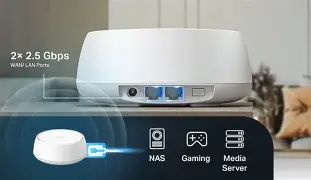
The Tp Link Deco Be23 is positioned as a consumer-friendly mesh Wi‑Fi system intended to replace or supplement an existing router for improved whole‑home coverage. Its design targets users who want a straightforward way to expand wireless range, manage connected devices centrally, and reduce dead zones without complex configuration.
Key Features and Real‑World Behavior
In typical home settings, the Deco Be23 aims to deliver consistent wireless signal across multiple rooms, provide seamless handoffs for devices moving around the house, and offer an app-driven management layer for parents and casual users. Buyers care about how easily it integrates with an internet service provider’s modem, whether it supports wired backhaul, and how it handles many simultaneous connections—factors that determine streaming stability, video call quality and online gaming responsiveness.
Practical impressions from day‑to‑day use generally include:
- Easy initial setup via a mobile app with step‑by‑step prompts.
- Automatic optimization of the mesh network to reduce interference and balance load among nodes.
- Basic traffic and parental controls that are accessible without networking expertise.
- Improved signal coverage in homes where a single router cannot reach all rooms.
Who It’s Best For
The Deco Be23 is geared toward homeowners or renters who need to cover larger apartments or multi‑story houses with reliable Wi‑Fi, families that want simple parental controls, and people who prefer managing their network from a smartphone rather than a web interface. It is a solution for households where multiple devices—smartphones, tablets, smart TVs, connected appliances—must coexist without frequent manual intervention.
Pros & Cons
- Pros:
- Simple, guided setup ideal for nontechnical users
- Mesh architecture reduces dead zones and improves roaming
- Centralized app-based controls for guest networks and parental settings
- Typically better device handling than a single consumer router
- Cons:
- Mesh units require multiple nodes to cover the whole home, increasing cost
- Performance can be lower than high-end standalone routers for extreme throughput needs
- Advanced customization is limited compared with enthusiast networking gear
Product Analysis: Lg Gram Book
Overview and Positioning
The Lg Gram Book family is known for extremely light, thin laptops that prioritize portability without sacrificing core productivity features. The lineup appeals to frequent travelers, students, and professionals who value battery life and a pleasant typing experience above raw gaming performance.
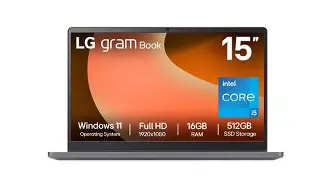
Key Features and Real‑World Behavior
In everyday use, an Lg Gram Book is often chosen for these practical characteristics:
- Exceptional weight and build—easy to carry during commutes and flights.
- Long battery life that supports extended work sessions away from power outlets.
- Generous screen sizes available in compact chassis, producing comfortable work areas for spreadsheets and documents.
- Solid connectivity options with modern ports that may include Thunderbolt/USB‑C, helpful for docking and fast external displays.
Buyers typically assess the Gram on responsiveness for productivity tasks, its thermal profile under sustained loads, and how it handles video conferencing and content creation workflows. For users primarily focused on office apps, web browsing, and media consumption, the Gram tends to exceed expectations. Those who need dedicated high‑end graphics for intensive video editing or gaming may prefer other form factors.
Who It’s Best For
The Lg Gram Book suits professionals who travel, students who spend long days on campus, and home‑office workers who prefer a light machine that still has a comfortable keyboard and long battery life. It is a strong choice when portability and battery endurance are prioritized over maximum CPU/GPU horsepower.
Looking for the best Laptops & Computers deals on Amazon?
See Deals →Pros & Cons
- Pros:
- Ultra‑lightweight design that makes it genuinely portable
- Long battery life for all‑day productivity
- Comfortable keyboard and generally pleasant display options
- Good selection of ports for external peripherals and displays
- Cons:
- Not optimized for sustained heavy GPU workloads compared with gaming laptops
- Premium price relative to mainstream, heavier competitors
- Repairs or upgrades may be constrained by thin chassis design
Side‑by‑Side Comparison
Below is a practical comparison table that contrasts the two products across key buyer concerns. Because they occupy different categories, the table focuses on how each impacts user experience in a home or mobile working environment.
| Category | Tp Link Deco Be23 | Lg Gram Book |
|---|---|---|
| Product type | Mesh Wi‑Fi system (networking hardware) | Lightweight laptop (computing device) |
| Primary purpose | Improve home wireless coverage and manage multiple devices | Portable productivity and media consumption |
| Real‑world benefit | Reduces dead zones, stabilizes streaming and conferencing across the home | Enables long workdays away from power with a comfortable, light device |
| Setup & management | App-driven setup; minimal ongoing maintenance; occasional firmware updates | OS and software updates; occasional driver and firmware maintenance |
| Connectivity impact | Determines Wi‑Fi speed, latency and reach for all wireless clients | Depends on network quality for cloud apps, streaming and meetings; benefits most from strong Wi‑Fi |
| Portability | Stationary; nodes placed around the home | High; designed for travel and mobility |
| Typical buyers | Families, smart homes, streaming households | Traveling professionals, students, remote workers |
| Value when combined | Improves the Gram’s online experience—smoother video calls, faster downloads | Leverages the Deco network to reach cloud services reliably while at home |
How They Complement Each Other
Comparing the two ultimately surfaces a complementary relationship: the Tp Link Deco Be23 improves the environment in which an Lg Gram Book operates. A lightweight laptop with long battery life benefits little if the home Wi‑Fi is unreliable—video calls drop, file sync slows. Conversely, a powerful home network is underutilized if the client device is slow, has poor battery life, or lacks the ports needed for external displays and storage.
For someone assembling a productive, mobile household setup, investing in both is often justified: the Gram for mobility and daily work, and the Deco mesh to ensure consistent connectivity across rooms and smart devices.
Buying Guide: What Buyers Typically Care About
1. Define the primary need
Buyers should start by identifying the immediate problem: Is the priority replacing a laptop that is too heavy and has poor battery life, or is the issue dead zones and choppy streaming at home? If the workday is often away from home, the laptop is the primary purchase. If streaming and multiple smart home devices are causing problems, a mesh system should come first.
2. Consider the environment and use cases
Homes with multiple floors, thick walls or long layouts benefit most from mesh Wi‑Fi. For the laptop, consider movement patterns—commuting, frequent flights, or long campus days favor a Gram. For remote workers who routinely join video conferences, both devices matter: the laptop needs a good webcam and microphone, while the network must deliver low latency.
3. Performance vs. simplicity
Networking buyers face a classic trade‑off: ease of use versus deep customization. The Deco line prioritizes straightforward setup and app management; enthusiasts who want granular control (VLANs, advanced QoS, custom firmware) may prefer standalone routers or commercial solutions. Laptop buyers must weigh portability against raw performance: ultra‑light designs like the Gram sacrifice some cooling headroom and GPU power compared with thicker workstations.
4. Futureproofing and expandability
Look for mesh systems that allow adding nodes, support wired backhaul (if planning to run Ethernet between floors), and receive firmware updates. For laptops, check for adequate RAM and SSD size at purchase since upgrades can be limited; also verify port selection for docks and external drives to extend utility.
5. Battery life and power consumption
The Gram often wins on battery endurance, which matters for travel. The Deco Be23 is a low‑power device by nature, but buyers should consider power outlet availability for mesh node placement and whether nodes have surge protection or UPS considerations in critical home offices.
6. Budget and total cost of ownership
Mesh systems typically require multiple units to cover large areas, so budget accordingly. The Gram is a premium product in the lightweight segment; additional spend may be required for accessories (cases, USB‑C hubs, external monitors). Buyers should factor in potential future costs: replacement batteries, additional mesh nodes, and professional installation if needed.
Shop the latest Laptops & Computers picks on Amazon.
View Offers →7. Security and privacy
Both product types receive firmware and software updates—keep them current. Buyers who handle sensitive work should enable encryption on the Wi‑Fi, change default admin credentials, and use strong device passwords. Check the manufacturer’s update cadence and community trust when assessing long‑term security.
Real‑World Scenarios: Which One Should You Buy?
Scenario A: Remote professional who travels and works from home
An individual who spends weekdays at cafes or airports and occasional days working from home should prioritize the Lg Gram Book for its portability and battery life. However, if home video conferencing is frequent and the current Wi‑Fi is inconsistent, adding a Deco Be23 later will improve call quality and upload speed for cloud backups.
Scenario B: Family with smart home devices and heavy streaming
In homes with multiple streaming TVs, game consoles, security cameras and smart appliances, the Deco Be23 addresses the immediate pain: reliable coverage and device handling. The family may pair the mesh with any adequately capable laptop; if a new laptop is also on the list, the Gram can be an excellent option for the primary user who values portability for school or work.
Scenario C: Content creator or gamer
Serious content creators or gamers might find the Gram limited by GPU power; they may prefer a workstation or gaming laptop instead. At the same time, network performance matters—large uploads and streaming benefit from a robust network; thus, investing in a mesh system like the Deco to reduce latency and provide consistent uploads is valuable regardless of laptop choice.
Maintenance and Longevity
Both products require light maintenance. For the Deco, check the app occasionally for firmware updates, monitor connected devices, and reposition nodes if coverage changes. For the Gram, keep the operating system and drivers current, review battery health over time, and use manufacturer support channels for repairs. Proper care—ventilation for the laptop, correct node placement for the mesh—extends the usability of both devices.
Conclusion
Comparing the Tp Link Deco Be23 to the Lg Gram Book highlights two distinct but complementary pieces of a modern home productivity setup. The Deco Be23 is a practical choice for anyone needing reliable whole‑home Wi‑Fi and simplified network management. The Lg Gram Book is targeted at users who prioritize portability, battery life and a light carry weight for daily productivity. For many households, the best outcome is a combination: a lightweight, long‑lasting laptop for on‑the‑go work paired with a dependable mesh system at home to ensure the laptop performs smoothly when connected.
Buyers should decide by identifying immediate pain points—coverage and device density versus mobility and battery life—then factor in future needs, total cost, and how the devices will interact in real use. When both network and client are well matched to the user’s routine, the result is a noticeably better experience: fewer dropped calls, faster syncs, longer untethered work sessions, and a setup that supports both the tasks and the lifestyle that matter most.