A Professional's Take on the New Keychron B36
The Keychron B36 positions itself as another contender in Keychron’s steady procession of keyboards aimed at users who want a balanced mix of productivity, portability, and personality. This review examines the B36 through the lens of a professional buyer—someone who uses a keyboard for long typing sessions, frequent context switching between devices, and occasional light gaming. The analysis focuses on real-world use cases, what buyers typically care about (feel, reliability, connectivity, customization, and value), and how the B36 fares in each area.
Introduction
Mechanical keyboards have moved beyond hobbyist circles into mainstream workflows as people recognize the impact of input devices on comfort and efficiency. Professionals—writers, developers, designers, and hybrid workers—look for keyboards that reduce fatigue, maintain reliability over years, and integrate smoothly with their workflows. The Keychron B36 attempts to answer these needs with a set of features that emphasize tactile typing, wireless convenience, and modern connectivity. This article dissects those claims, highlights strengths and weaknesses, and offers guidance for buyers considering the B36 against other options.
Detailed Product Review and Analysis
Design and Build Quality
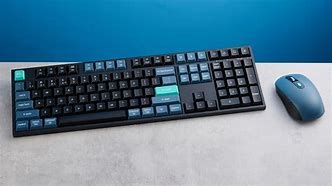
The B36's visual approach leans toward Keychron's minimalist aesthetic: clean lines, subdued branding, and a compact footprint that suits desks with limited real estate. From a professional perspective, the chassis material and finish matter because they affect longevity and the overall typing feel. The B36 is positioned as a workhorse — a keyboard intended for daily use rather than a delicate showpiece. Keychron typically balances aluminum bezels or frames with plastic undercarriages to keep weight reasonable while improving perceived quality where it matters most.
Assembly and tolerances are key for long-term silence and stability. Professionals will notice how consistently the stabilizers (used on larger keys such as Enter, Space, and Shift) are tuned, whether there is wobble in larger keys, and if the case flex translates to sound or feel. For the B36, expect Keychron-level quality control: stabilizers that may benefit from light lubrication for a refined sound profile, and a deck that prioritizes robustness over extreme lightness. Those who care about acoustics should anticipate that additional mods—foam dampening, silicone pads, or switch filming—can further refine the sonic signature.
Layout and Keycaps
Layout choices influence productivity more than many realize. A compact layout can reduce hand travel and keep commonly used keys within reach; however, it may also relocate or layer less-frequent keys behind function layers. The B36 aims for a compact, desk-friendly layout that preserves essential keys while trimming unused space. Buyers who rely on frequent modifier combos and a traditional numpad should evaluate whether the B36’s layout matches their workflow or requires an external numpad.
Keycaps are another important area—materials (ABS vs. PBT), profile (OEM, Cherry, SA), and legends (dye-sublimated, double-shot) all affect durability and feel. Professionals should validate whether the B36 ships with PBT keycaps (preferred for longevity and resistance to shine) or ABS. PBT keycaps are typically preferable for heavy typists because they age better under daily use.
Switch Options and Typing Experience
Switch choice defines the primary tactile relationship between user and keyboard. The Keychron B36 supports a range of switch types—linear, tactile, and clicky—allowing buyers to prioritize silence or feedback according to their environment. For office settings or shared workspaces, tactile or low-profile linear switches that minimize noise while still delivering satisfying travel are often preferred. For writers or coders who appreciate rich feedback, tactile switches provide a sense of confirmation without the loudness of clicky switches.
Hot-swap capability is a boon for professionals who want to experiment with switches without soldering. If the B36 offers hot-swap sockets, it becomes a more flexible investment: users can replace switches as preferences evolve or as part of routine maintenance. The sound profile—affected by switch stem, keycap material, case mounting, and plate material—can vary widely; expectations should be tempered accordingly.
Connectivity: Wired and Wireless Use
Connectivity is a decisive factor for hybrid workers who switch between laptop, desktop, and tablet. The B36 supports wired USB-C for stable, low-latency sessions and likely offers Bluetooth multipoint to pair with multiple devices simultaneously. Professionals will appreciate seamless device switching and a stable pairing process—two features that significantly reduce friction during day-to-day tasks. When using Bluetooth, battery consumption and reconnection reliability become practical considerations: a keyboard that drops or lags will interrupt focus and reduce productivity.
Low-latency wireless modes or dedicated 2.4GHz dongles can matter for those who occasionally game or need immediate response for real-time tasks. If immediate responsiveness is critical, the wired connection is the safer choice, but a well-implemented wireless stack will be more than adequate for most professional workflows.
Battery Life and Backlighting
Battery life claims should be viewed relative to usage patterns. Backlighting (RGB or single-color) contributes to battery drain and may be disabled by professionals who prioritize longevity. The B36's battery performance under moderate use—occasional backlight and frequent Bluetooth switching—should translate into days or weeks rather than hours; however, heavy RGB usage and constant Bluetooth activity will shorten runtime. A user-oriented compromise is to use backlighting selectively or vest it to lower intensity settings to maximize time between charges.
Find top-rated Laptops & Computers products at great prices.
Browse Now →Fast charging over USB-C minimizes downtime, and the ability to continue working while charging ensures the keyboard remains useful during longer sessions.
Software, Programmability, and Customization
Programmability is a differentiator for power users. Professionals who rely on macros, layered shortcuts, or remapped keys will look for either native Keychron software compatibility or community-driven solutions like VIA/QMK support. When a keyboard supports dynamic remapping without deep technical effort, it becomes much more adaptable to specialized workflows (e.g., mapping complex shortcuts for video editors or custom macros for data entry). The B36’s utility is enhanced if it supports software-based layers and macro recording; otherwise, users might need to rely on operating-system-level utilities to achieve the same effect.
Sound and Ergonomics
Sound and ergonomics are often as important as raw typing feel. The B36 occupies a middle ground: comfortable for long typing but without extreme ergonomic tilts or built-in wrist rests. Ergonomic-minded users should consider pairing the B36 with a separate wrist rest or an angled desk setup. Acoustic character—how crunchy, thocky, or muted the keyboard sounds—can influence both typing satisfaction and workplace etiquette. The B36 offers a neutral voice out of the box, and professionals can tune it with simple mods if they desire a particular sound signature.
Pros & Cons
Pros
- Well-balanced design that suits both productivity and casual typing sessions
- Compact footprint saves desk space without sacrificing essential keys
- Broad switch selection to match user preference for feel and noise level
- Reliable wired USB-C connection for low-latency work, plus wireless convenience for device switching
- Durable construction intended for regular daily use
Cons
- May require light tuning (lubing, foam) to achieve a refined acoustic profile out of the box
- Compact layouts can have a learning curve for users accustomed to full-size keyboards
- Programmability may be limited depending on software support—power users should verify macro and layer capabilities
- Keycap material and stabilizer tuning out of the box sometimes fall short of enthusiast-grade expectations
Comparison Table: B36 vs. Typical Alternatives
| Model | Layout | Hot-swap | Connectivity | Build Focus | Best For |
|---|---|---|---|---|---|
| Keychron B36 | Compact / tenkeyless-ish (space-saving) | Often available / check specific SKU | USB-C wired + Bluetooth multipoint | Balanced durability and portability | Hybrid workers, writers, developers |
| Keychron K-series (example) | Varies (75%, TKL, compact) | Common on many SKUs | USB-C wired + Bluetooth | Value-focused with solid ergonomics | Users wanting a mainstream compact keyboard |
| Keychron Q-series (enthusiast) | Full / 75% / custom-friendly | Yes (often) | USB-C wired only or Bluetooth depending on model | Premium materials, gasket/plate options | Enthusiasts seeking high customization |
Buying Guide: What Professionals Should Consider
1. Define Primary Use Cases
First, determine whether the keyboard will be used primarily for typing, coding, office work, or occasional gaming. Heavy typists and coders will prioritize key feel and long-term comfort; office workers may favor quiet switches and macros for productivity; hybrid users need dependable wireless switching. Match the B36’s strengths—compactness and balanced typing—to specific needs.
2. Choose the Right Switches
Switch choice is personal. Linear switches suit people who prefer smooth travel and minimal tactile feedback. Tactile switches are great for typists who want subtle feedback without loud clicks. Clicky switches provide maximal audible feedback and are less suited for shared spaces. If unsure, a hot-swap keyboard allows testing different switches without soldering.
3. Verify Hot-Swap and Keycap Materials
Hot-swap sockets extend the life and flexibility of a keyboard. Keycap material—PBT over ABS—reduces shine and increases durability. Confirm what the B36 ships with and whether alternative keycap sets are readily available in the profile and legend style preferred.
4. Connectivity Needs: Bluetooth vs. Wired vs. Dongle
Assess whether Bluetooth multipoint or a dedicated low-latency dongle is necessary. Bluetooth is convenient for multi-device workflows but may present slight latency and pairing nuances. For mission-critical, latency-sensitive work, wired USB-C remains the most reliable option.
5. Programmability and Software
Look for support for remapping, macros, and layers—either via manufacturer software or community tools like VIA/QMK. Professionals relying on application-specific macros will want seamless, persistent macros that don't depend on third-party software running in the background.
6. Ergonomics and Accessories
Consider wrist support and typing angle. A detachable wrist rest or an aftermarket pad can substantially improve long typing sessions. Also consider foot angle options: adjustable feet allow users to fine-tune the keyboard tilt, which impacts both comfort and speed.
7. Battery Life and Power Management
Battery longevity varies with backlighting intensity and wireless usage. If mobility is crucial (e.g., frequent cafe work or travel), prioritize models with longer battery runtime or efficient power management modes. Also confirm how quickly the keyboard charges and whether it can be used while charging.
Shop the latest Laptops & Computers picks on Amazon.
See Deals →8. Sound and Modding Potential
Some professionals enjoy customizing acoustics. If so, check whether the keyboard’s internals allow for simple mods—adding dampening foam, swapping stabilizers, or installing different switches—to tune the sound and feel to preference.
9. Warranty and Support
Long-term reliability matters. Check warranty coverage for switches, electronics, and case damage. Keychron generally offers reasonable support for its products, but verifying warranty length and repair policies is sensible for high-use keyboards.
Real-World Use Cases
Writers and Editors
For those writing long-form content, the B36 can deliver satisfying feedback and reduce wrist travel thanks to its compact layout. Quiet tactile or low-noise linear switches are advantageous in shared or open office environments.
Software Developers
Developers who juggle terminals, editors, and multiple devices will value the B36’s device-switching capabilities. Programmability for key mappings (e.g., toggling window managers, running builds, or inserting code snippets) turns the keyboard into an efficiency tool beyond typing.
Designers and Creatives
Designers who use shortcut-heavy applications (Photoshop, Illustrator, Premiere) benefit from macros and layered keymaps. While some may prefer a numpad for numeric input, a compact main keyboard plus a dedicated numpad or side keypad can be a flexible combo.
Remote and Hybrid Workers
Hybrid workers who move between a laptop and a home setup require stable Bluetooth pairing and minimal friction when switching. The B36’s emphasis on usability over novelty aligns with this lifestyle, providing a dependable experience whether docked or mobile.
Conclusion
The Keychron B36 presents a pragmatic choice for professionals seeking a compact, well-built keyboard that supports modern workflows. Its strengths lie in providing a comfortable typing experience, reasonable customization potential, and the convenience of wireless connectivity without sacrificing wired stability. While the B36 may not be the ultimate enthusiast platform for deep modding or the quietest keyboard out of the box, it hits a sweet spot for users who want an immediately useful, durable tool for daily work.
Ultimately, whether the B36 is the right investment depends on the buyer’s priorities: those who want out-of-box perfection in acoustics or maximal customization might seek higher-end enthusiast models, while buyers seeking a balanced, reliable, and portable keyboard for professional use will likely find the B36 a worthy option to consider.